South River Land Services provides professional debris removal services for residential and commercial properties throughout Clinton, Fayetteville, and Eastern North Carolina. We remove and haul away debris from land clearing, demolition, construction, and property cleanup projects.
What Is Debris Removal?
Debris removal is the process of cleaning up and hauling away unwanted materials from your property. This includes vegetation and trees from land clearing, demolished materials from teardowns, construction waste, storm debris, and general cleanup of materials that need to be removed from a site.
Professional debris removal handles the entire process from loading materials to transporting them to proper disposal or recycling facilities. It’s more than just hauling—it involves having appropriate equipment, understanding disposal requirements for different materials, and leaving your property clean after debris is removed.
Our Debris Removal Services
We handle debris removal including:
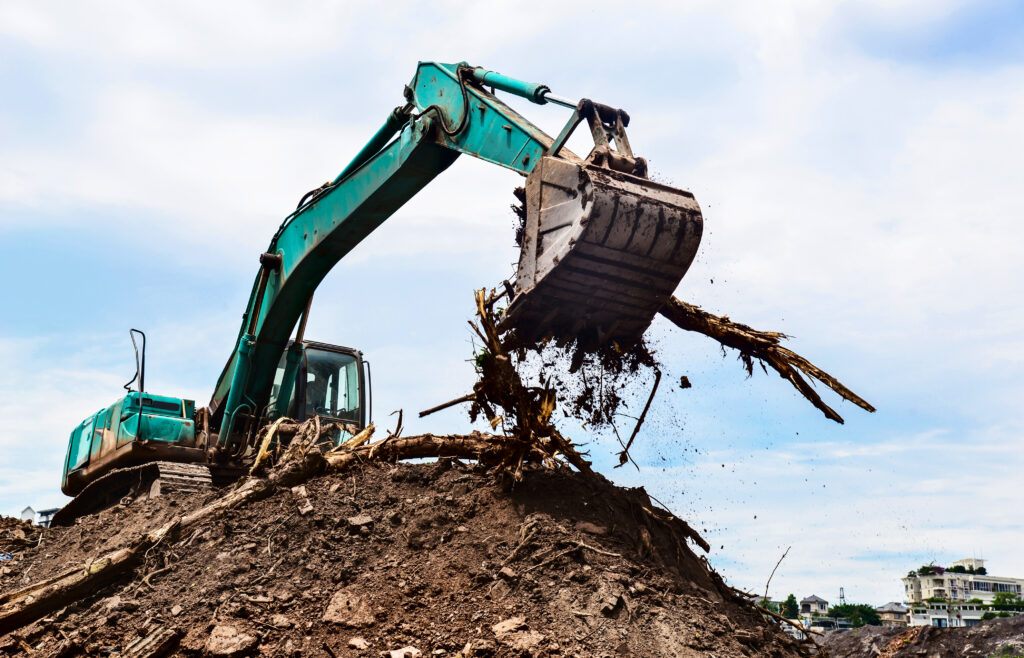
Land Clearing Debris – Removing trees, brush, stumps, and vegetation from land clearing projects.
Demolition Debris – Hauling away materials from building and structure demolition including concrete, lumber, and mixed demolition waste.
Construction Debris – Removing construction waste including lumber scraps, packaging, and building materials.
Storm Debris – Cleaning up fallen trees, branches, and damage from storms.
Property Cleanup – General cleanup and removal of accumulated debris, junk, and unwanted materials.
Concrete and Asphalt Removal – Hauling away broken concrete, old driveways, pads, and asphalt.
Who Needs Debris Removal Services
Our debris removal services are for:
Property owners who have completed land clearing or tree removal and need the debris hauled away. Cleared vegetation needs to go somewhere, and debris removal is often the final step in clearing projects.
Contractors who need debris removal for their construction or renovation projects. Job sites accumulate waste that needs professional removal to keep projects moving.
Homeowners cleaning up after storms. Fallen trees and storm debris often require equipment and hauling capacity beyond what homeowners can manage themselves.
Commercial property owners maintaining clean sites. Businesses need regular debris removal to keep properties clean and professional.
Landowners preparing properties for sale or development. Removing accumulated debris and cleaning up a property makes it more presentable and usable.
How Debris Removal Works
Debris removal starts with understanding what needs to be removed, how much there is, and where it’s located. Access to the debris matters—equipment needs to be able to reach what’s being removed.
We bring appropriate equipment to load and haul debris. This might be skid steers for loading, track hoes for handling large materials, and trucks for hauling. The specific equipment depends on what type of debris we’re removing and how much there is.
Different materials have different disposal requirements. Vegetation and land clearing debris typically goes to specific facilities. Concrete often gets recycled. Construction waste has its own disposal requirements. Proper debris removal means materials end up in appropriate facilities, not illegally dumped.
After debris is removed, we ensure the area is cleaned up reasonably. This doesn’t necessarily mean finish grading, but it does mean the debris is gone and the area isn’t left worse than necessary.
Debris Types and Disposal
Vegetation Debris – Trees, brush, stumps, and land clearing waste. This material typically goes to facilities that handle green waste.
Concrete and Masonry – Old concrete, brick, and similar materials. Much of this can be recycled at concrete recycling facilities.
Construction Waste – Lumber, building materials, packaging, and mixed construction debris. Disposal requirements vary by material type.
Metal – Scrap metal from demolition or construction can often be separated and recycled.
General Debris – Mixed materials and general cleanup waste goes to appropriate disposal facilities.
Proper disposal matters. Materials need to go to facilities licensed to accept them. Professional debris removal includes handling disposal properly and legally.
Service Area
We provide debris removal services throughout:
- Clinton, NC
- Fayetteville, NC
- Garland, NC
- Cumberland County
- Sampson County
- Surrounding areas in Eastern North Carolina
Based in Garland, we serve property owners and commercial clients throughout the region. Contact us to discuss whether your location is within our service area.
Frequently Asked Questions
How do you charge for debris removal?
Debris removal cost depends on how much material needs to be removed, what type of debris it is, where it’s located, and disposal costs for that particular material. Concrete costs different to dispose of than vegetation. Large volumes cost more than small amounts. Distance to disposal facilities affects cost. After seeing what needs to be removed, we can discuss realistic cost expectations for your specific situation.
Can you remove debris from tight spaces?
Access matters for debris removal. If equipment can reach the debris, we can remove it. Tight spaces might require smaller equipment or more manual loading, which affects efficiency. Sometimes access limitations mean debris needs to be moved to where equipment can reach it before hauling. If you’re concerned about access on your property, mention it when we discuss your project.
Do you recycle debris when possible?
Where practical and economically feasible, yes. Concrete typically gets recycled. Scrap metal gets separated if volumes justify it. Some materials have recycling options; others don’t. We dispose of materials appropriately, which includes recycling when it makes sense. Recycling doesn’t always reduce cost though—recycling facilities have fees just like landfills, and some recycled materials actually cost more to dispose of than landfilling.
How long does debris removal take?
Time depends on how much debris needs to be removed and where it’s located. Small amounts might take a few hours. Large land clearing debris piles could take days to remove. Distance to disposal facilities affects timing—closer facilities mean more trips per day. Weather can delay debris removal too, especially for vegetation debris that gets heavy and muddy when wet. We can estimate timing after seeing your debris situation.
What if I’m not sure what counts as debris?
If you’re uncertain whether something needs to be removed or can be handled, just ask. Debris removal covers a wide range—from vegetation and construction waste to old junk and accumulated materials. If it needs to be loaded, hauled, and disposed of, it’s likely something we can help with. During project discussion, we’ll clarify what you need removed and what the process involves.
Can debris just be pushed into the woods?
Not really. First, it’s often illegal to dump debris even on your own property depending on what it is. Second, pushed debris doesn’t decompose quickly and creates long-term eyesores and problems. Third, if you ever want to use that land, the debris is still there causing issues. Proper removal means materials actually leave your property and get disposed of appropriately, not just pushed somewhere less visible.
Do you remove hazardous materials?
No. Hazardous waste including chemicals, paint, fuel, oil, treated lumber, asbestos, and similar materials require special handling and disposal by certified companies. We remove general debris and construction materials, not hazardous waste. If your debris contains hazardous materials, those need proper abatement or disposal by specialized contractors before general debris removal.
Contact South River Land Services
Ready to discuss your debris removal needs in Clinton, Fayetteville, or surrounding areas?
Call (910) 880-4955
Email: [email protected]
South River Land Services LLC
Garland, NC 28441
We serve landowners and commercial clients throughout Eastern North Carolina with professional debris removal services.