South River Land Services provides professional grading and site preparation services for residential and commercial properties throughout Clinton, Fayetteville, and Eastern North Carolina. Proper grading ensures good drainage, stable building pads, and sites that perform well long-term.
What Is Grading and Site Preparation?
Grading is the process of shaping land to achieve proper contours, slopes, and drainage patterns. Site preparation includes all the work necessary to get a property ready for construction or its intended use—which typically includes grading along with clearing, rough excavation, and establishing access.
Professional grading does several important things: it creates level building pads for structures, establishes drainage patterns so water flows away from buildings and doesn’t pool on the property, shapes driveways and access roads, and prepares the overall site for whatever comes next in your project.
Poor grading causes problems. Water that doesn’t drain properly leads to flooding, foundation issues, erosion, and wet areas that prevent proper use of the property. Unlevel building pads create construction complications. Proper grading prevents these issues by directing water where it should go and creating stable, functional surfaces.
Our Grading & Site Preparation Services
We handle grading and site preparation including:
Building Pad Grading – Creating level, stable pads for home and building construction with proper elevation and drainage.
Drainage Grading – Establishing grades and contours that direct water appropriately and prevent flooding or standing water.
Driveway and Access Road Grading – Grading access routes with proper slope and drainage for reliable vehicle access.
Parking Area Grading – Preparing commercial parking areas and turnarounds with appropriate drainage and surface preparation.
Finish Grading – Fine grading that brings a site to final elevation and contours before landscaping or paving.
Rough Grading – Initial site grading after clearing that establishes basic contours and drainage patterns.
Slope Stabilization – Grading to prevent erosion on slopes and create stable graded areas.
Who Needs Grading Services
Our grading services are for:
Property owners preparing to build. Before construction begins, the building site needs proper grading to create a level pad and ensure water drains away from where the structure will be built.
Commercial developers needing site grading for buildings, parking areas, and proper drainage across commercial properties.
Landowners who have drainage problems. Many properties with standing water, erosion, or flooding issues need regrading to establish proper drainage patterns.
Contractors who need site preparation and grading subcontractors for their construction projects in the Clinton and Fayetteville areas.
Agricultural operations preparing land for barns, equipment storage, or other farm structures that require level, well-drained pads.
Why Proper Grading Matters
Grading affects everything that happens after it. A properly graded building pad means your foundation goes in level and stable. Water that drains correctly protects your foundation, prevents flooding, and keeps your property functional during rain.
Poor grading shows up in various ways. Water pools next to foundations or in areas where you need to walk or drive. Driveways wash out because they don’t have proper crown or drainage. Building sites stay wet because water has nowhere to go. These aren’t minor inconveniences—they’re problems that affect how your property functions and can be expensive to fix after construction is complete.
Professional grading reads the land. It understands where water wants to go naturally and works with that rather than against it. It creates positive drainage—meaning water flows away from buildings and critical areas—while avoiding creating new problems elsewhere on the property.
How Grading Works
Grading typically starts with understanding the existing topography and what needs to change. For a new building site, this means identifying where the structure will sit, what elevation it needs to be, and how water should flow around it.
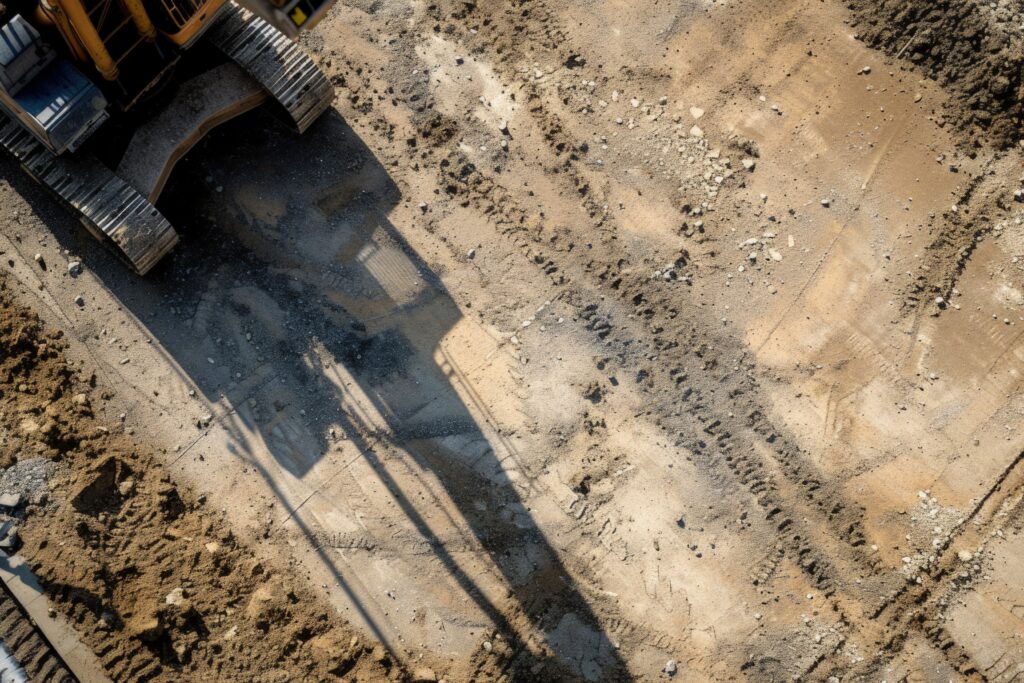
The grading process moves soil to create the desired contours. Sometimes this involves cutting—removing soil from high areas. Other times it requires filling—adding soil to low areas. Often it’s a combination, using cut material to fill where needed.
We use dozers and track equipment appropriate for the grading work. The process involves multiple passes to achieve the right contours and slopes. Finish grading requires more precision than rough grading, bringing surfaces to final elevation and ensuring smooth drainage transitions.
After grading is complete, the site should have proper drainage, level areas where they’re needed, appropriate slopes for driveways and access, and be ready for the next phase whether that’s construction, landscaping, or paving.
Service Area
We provide grading and site preparation services throughout:
- Clinton, NC
- Fayetteville, NC
- Garland, NC
- Cumberland County
- Sampson County
- Surrounding areas in Eastern North Carolina
Based in Garland, we serve property owners and commercial clients throughout the region. Contact us to discuss whether your location is within our service area.
Frequently Asked Questions
How do you know what grade to create?
For building sites, grades come from your construction plans and building code requirements. Foundations need to be above certain elevations relative to drainage and flood zones. Building pads need to slope away from structures at specific minimum grades. For properties without formal plans, we grade based on best practices—ensuring positive drainage away from structures, preventing water pooling, and creating functional slopes that work with the property’s natural drainage patterns.
What’s the difference between rough grading and finish grading?
Rough grading establishes the basic contours and drainage after clearing. It gets the site close to final elevation but doesn’t require precision. Finish grading brings surfaces to exact final elevations and creates smooth, precise contours ready for construction, landscaping, or paving. Most projects need rough grading first, then finish grading later after utilities and other site work are complete.
Can you fix drainage problems on an existing property?
Often yes, though it depends on the specific situation. Drainage problems usually stem from poor grading—water doesn’t have a path to flow away, or grades send water toward structures instead of away. Fixing this typically involves regrading problem areas to create proper drainage paths. Sometimes it requires more extensive work like adding drainage systems or addressing issues beyond just grading. After seeing your property and understanding the drainage problems, we can tell you what’s needed to fix it.
How long does grading take?
Project time depends on the size of the area being graded, how much earth needs to be moved, and whether it’s rough or finish grading. Grading a simple residential building pad might take a day or two. Larger commercial sites or properties with extensive drainage issues take longer. Weather affects grading schedules too—heavy rain stops work until conditions dry out. We can give you realistic timing after evaluating your project.
Do I need fill dirt brought in?
This depends on your site. Some properties have enough existing soil to grade properly just by redistributing what’s there—cutting from high areas and filling low areas. Other sites need fill dirt brought in to achieve proper grades, especially if you need to raise elevations significantly. After looking at your property and understanding what grades you need, we can tell you whether additional fill will be necessary.
What happens to grading if it rains during the project?
Light rain usually doesn’t stop grading work, though very heavy rain or extended wet periods do. Newly graded areas can wash or erode during heavy rain before vegetation gets established, which is why timing matters. If significant rain is expected right after grading, erosion control measures might be needed. Once grading is complete and the surface gets stabilized—either through seeding, paving, or building construction—rain is less of an issue.
Can you grade around existing trees?
Grading near trees requires caution. Changing grade around trees by adding or removing soil can damage root systems. Small grade changes might be okay, but significant cuts or fills near tree trunks often kill trees. If you want to preserve specific trees, we need to plan grading carefully to minimize disturbance in their root zones. Sometimes this means working around trees rather than grading right up to them.
Contact South River Land Services
Ready to discuss your grading or site preparation project in Clinton, Fayetteville, or surrounding areas?
Call (910) 880-4955
Email: [email protected]
South River Land Services LLC
Garland, NC 28441
We serve landowners and commercial clients throughout Eastern North Carolina with professional grading and site preparation services.