South River Land Services provides professional tree removal services for residential and commercial properties throughout Clinton, Fayetteville, and Eastern North Carolina. We safely remove trees of all sizes including stump removal and debris cleanup.
What Is Tree Removal?
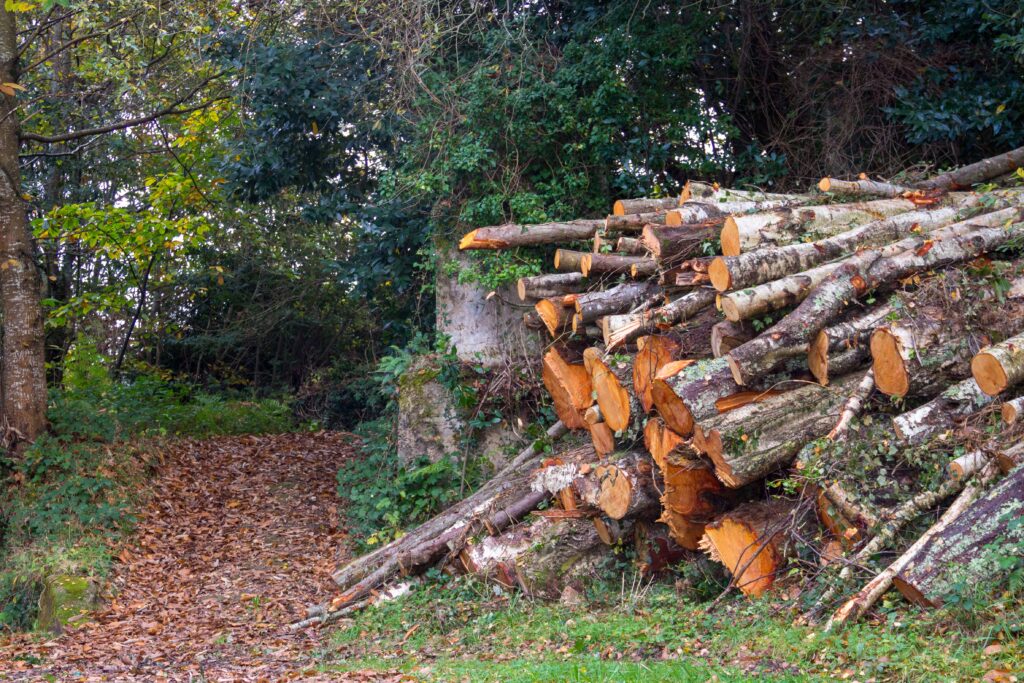
Tree removal is the process of cutting down and removing trees from a property. This includes felling the tree safely, cutting it into manageable pieces, removing it from the property, and typically dealing with the stump that remains. Tree removal might be needed before land clearing, to address hazardous trees, to clear building sites, or to remove trees that interfere with construction or property use.
Professional tree removal requires understanding how trees fall, recognizing hazards like rot or lean, operating equipment safely, and managing the substantial debris that tree removal creates.
Our Tree Removal Services
We handle tree removal including:
Large Tree Removal – Removing mature trees and large specimens that require heavy equipment.
Hazardous Tree Removal – Taking down dead, dying, leaning, or otherwise dangerous trees.
Building Site Tree Removal – Clearing trees from construction sites and building pads.
Access Route Clearing – Removing trees to create or improve driveways and access roads.
Storm-Damaged Tree Removal – Addressing trees damaged by wind, ice, or storms.
Stump Removal – Grinding or excavating stumps after trees are removed.
Debris Removal – Hauling away removed trees, branches, and cleanup debris.
Who Needs Tree Removal Services
Our tree removal services are for:
Property owners preparing land for construction. Building sites often have trees that need removal before construction can begin.
Landowners clearing properties for development or agricultural use. Trees frequently need to come down as part of larger clearing projects.
Homeowners with hazardous trees near structures. Dead or leaning trees pose risks and should be removed before they fall on their own.
Commercial property owners maintaining safe sites. Businesses need professional tree removal for safety and property maintenance.
Contractors who need specific trees removed from construction sites without clearing the entire property.
How Tree Removal Works
Tree removal starts with understanding which trees need to come down and what constraints exist. This includes identifying nearby structures, power lines, access routes, and where the tree can safely fall or be taken down in sections.
The removal process depends on the tree’s size, location, and surrounding conditions. Open areas with no obstacles allow trees to be felled in full. Trees near structures or with limited space often need to be taken down in sections—cutting from the top down in pieces small enough to control safely.
We use track hoes, excavators with grapples, and other appropriate equipment for tree removal. Large trees generate substantial weight and debris. Professional equipment handles this safely and efficiently.
After a tree comes down, it gets cut into manageable pieces and removed from the property. This leaves the stump, which either gets ground down or excavated out depending on what you need and how the property will be used.
Stump Removal
Tree stumps remain after tree removal. What happens with stumps depends on your property plans.
Stump grinding grinds the stump below ground level, leaving wood chips and root structure. This works for many purposes—you can fill the area and plant grass over ground stumps. However, the root structure remains underground and will rot over time.
Stump excavation removes the entire stump and major roots. This creates a hole that needs filling but completely removes the tree’s root system. Full excavation is often necessary for building sites or areas where stumps can’t remain.
Some properties can leave stumps in place if they’re not in the way. This is the cheapest option but only works when stumps won’t interfere with your property’s intended use.
Service Area
We provide tree removal services throughout:
- Clinton, NC
- Fayetteville, NC
- Garland, NC
- Cumberland County
- Sampson County
- Surrounding areas in Eastern North Carolina
Based in Garland, we serve property owners and commercial clients throughout the region. Contact us to discuss whether your location is within our service area.
Frequently Asked Questions
How big of trees can you remove?
We handle trees of various sizes including large mature specimens. The specific size we can manage depends on the tree’s location, lean, condition, and whether we have space to work safely with equipment. Very large trees in difficult locations sometimes require specialized tree services, but most trees on typical properties are within our capabilities. If you’re concerned about tree size, describe it when we discuss your project.
Do you need to climb the trees?
Usually no. We typically use ground-based equipment including track hoes with grapples to handle tree removal. This is safer and more efficient than climbing for most tree removal situations. Some tree services specialize in climbing and rigging, which is sometimes necessary for trees in very tight spaces or near sensitive structures. Our approach uses equipment appropriate for land clearing and property-scale tree removal.
What do you do with the removed trees?
This depends on what you want. Options include hauling trees completely off your property, cutting trees into firewood lengths for you to keep, or chipping smaller material. Some properties have areas where tree debris can be placed. Hauling away is common for construction sites or properties that need complete cleanup. What makes sense depends on your property and plans.
Can you remove trees without damaging my yard?
Tree removal involves heavy equipment and substantial debris, which creates some ground disturbance. We minimize unnecessary damage, but removing large trees realistically means equipment traveling on your property and debris being dragged or moved. Very wet conditions make ground disturbance worse. Some property impact is normal with tree removal—we work to keep it reasonable but can’t make large trees disappear without any ground disturbance.
Should hazardous trees be removed immediately?
Dead trees, trees with significant rot, or trees leaning toward structures do pose risks. The urgency depends on the specific situation—a large dead tree overhanging your house is more urgent than a dead tree in an open field. If you’re concerned about a tree’s safety, it’s worth having it assessed. Some hazardous trees need removal promptly; others can wait but shouldn’t be ignored indefinitely.
How much does tree removal cost?
Cost depends on the tree’s size, how many trees need removal, where they’re located, what needs to happen with stumps, and what you want done with debris. A single small tree in an open area costs much less than multiple large trees with difficult access and stump grinding. After seeing your property and understanding which trees need removal, we can discuss realistic cost expectations for your specific situation.
When is the best time to remove trees?
Tree removal can happen year-round. Winter when trees are dormant and leaves are gone sometimes makes removal easier. Frozen ground in winter can actually be beneficial because equipment doesn’t create as much soil disturbance. Very wet periods make access difficult and increase ground damage. The best time often depends more on when you need trees removed for construction or property plans rather than seasonal considerations.
Contact South River Land Services
Ready to discuss your tree removal needs in Clinton, Fayetteville, or surrounding areas?
Call (910) 880-4955
Email: [email protected]
South River Land Services LLC
Garland, NC 28441
We serve landowners and commercial clients throughout Eastern North Carolina with professional tree removal services.emoval services.